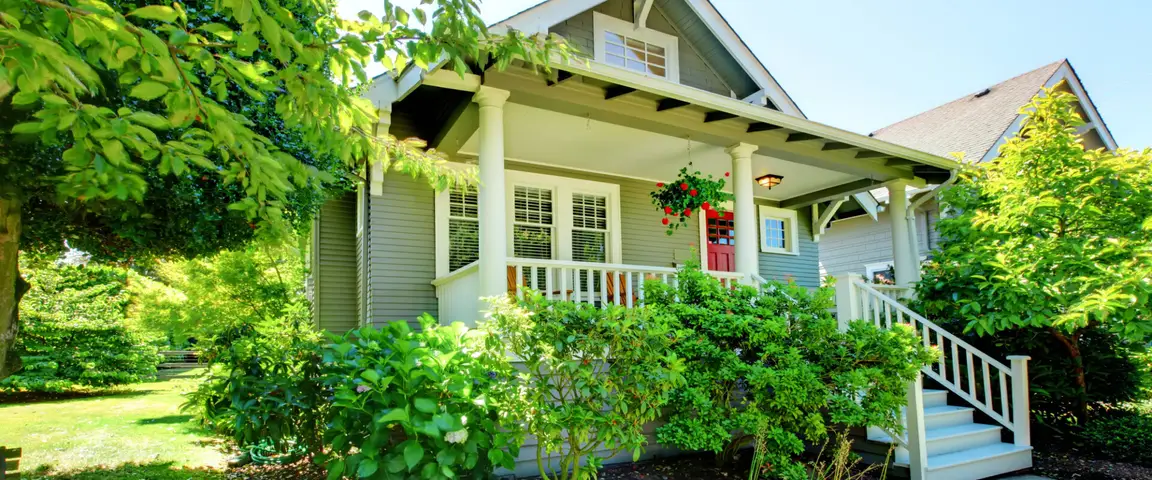

Picture two Aurora homes going up for sale the same week. Same neighborhood, similar size, similar layout. One of them is under contract in about a week. The other one sits, and sits, and two or three months later it is still sitting, with a couple of price cuts along the way.
Here is the part that trips people up. When you look at those two houses side by side, the difference almost never was the house.
So if you are about to sell in Aurora and you are quietly worried yours is going to be the one that sits, the thing you actually need to get right is not the thing most sellers obsess over. Let me walk you through what really separates the fast home from the slow one, because both of those outcomes are decided by choices you make before you ever list.

Same house, two outcomes
Let us actually pull those two homes apart, because on paper they look identical. Same street, same bones. And yet one flies and one stalls.
When that happens, and it happens all the time, the difference comes down to two things, and neither one of them is the house itself. It is price, and it is condition. That is it. That is almost the whole game.
The home that sold fast was priced where the market actually was, and it was presented so a buyer could walk in and picture living there. The one that sat was either reaching for a number the market was not going to pay, or asking a buyer to take on a project they did not want. Usually it is some mix of both.
Notice what is not on that list: the house itself. The square footage did not change between the fast sale and the slow one. The layout did not change. The neighborhood did not change. What changed was the strategy, and strategy is something you control.
The market doesn’t care what you want
Here is the hard one, and I would rather tell you the truth than tell you what is comfortable.
The market does not care what you want. I do not mean that unkindly. I mean buyers pay for the value they see in front of them, and your feelings about the house, what you paid, what you put into it, the number you have in your head, none of that is part of their math. It is just not.
I had a seller once who wanted to list about eighty-five thousand dollars over where the comparable sales said the house should go. That number would have made it the highest sale in the whole neighborhood by a wide margin. He had invented a value in his head and decided the market would come meet him there. I showed him the comps, I told him the truth, and I lost that listing, because he did not want to hear it.
It went up high. It sat. It took price cut after price cut. And eventually it came off the market, unsold.
That is the slow house. Not because anything was wrong with it. Because the number ignored what the market was actually willing to do. I am telling you that story even though it makes me look like the guy who lost the deal, because I would rather you trust that I will tell you the truth than think I am here to tell you what you want to hear. If your number is off, I am going to say so. That honesty is the whole value.
Every house sells. The only real question is price
Now here is the flip side, and this is the part that should actually take some pressure off you.
Every house sells. I mean that. You bought yours, and you are not that special, so why would someone else not want it too? Houses sell all the time. The only real question is ever the price.
So the fear of “what if mine does not sell” is almost always the wrong fear. The real question is just this: are we priced and presented where the market is? Answer that honestly and the home moves.
And right now, in this market, that dividing line is sharp. Homes in good shape, priced right, are moving fast, sometimes with multiple offers the first weekend. Homes that need work sit, unless the price honestly reflects that work, because buyers right now do not want a project. They want to move in. The homes that stall are not stalling because of the house. They are stalling because the price is chasing a number the market will not pay, or because the condition is asking the buyer to do work they do not want to do at that price.
The hidden risk: chasing a ghost number
Let me kill one worry that keeps good sellers from pricing smart, because this is the quiet trap.
People are terrified of leaving money on the table. So they aim high, “just in case.” It feels safe. It feels like protecting their money. It is actually the opposite.
In an open, properly marketed sale, leaving money on the table is not really a thing. If a buyer out there would have paid more, they would have bid more. That is how an open market works. When your home is fully exposed to the market and buyers compete, the market’s number is the number. Chasing a higher ghost number does not capture more money. It gets you the slow house and the string of price cuts, which, ironically, is how you actually do leave money behind. A home that launches over the market and sits often ends up selling for less than a well-priced home would have, because a stale listing loses its urgency and buyers start to wonder what is wrong with it.
There is one real exception, and it matters. The one legitimate version of “money left on the table” is a home that was marketed badly and never got seen by enough buyers. If only a handful of people ever laid eyes on it, then yes, a higher bid might genuinely have been out there and never showed up. That is not a pricing problem. That is an exposure problem, and it is the quiet case for having someone who actually knows how to put your home in front of the whole market. Price it to the market, expose it fully, and the ghost number worry disappears.
It was never the house
Here is what I want you to take from all of this.
When a home sits, sellers assume there is something wrong with the house. There almost never is. The house is fine. What sat was the strategy, the number and the presentation, both of which are completely fixable, and both of which are decisions you get to make with good information before you ever list.
That is the whole difference between the two homes I described at the start. Not luck. Not the house. The decisions made on day one. Get those right, with somebody who will tell you the truth about your number even when it is not what you want to hear, and you give yourself every chance to be the fast one.
One honest look before you set your price
If you are getting close to listing your Aurora home, the most useful thing you can do is land on the right number and the right prep before you go live, because once you are anchored to the wrong number, everything after that gets harder.
Grab the free Aurora Seller’s Guide here: Get the Aurora Seller’s Guide
It walks you through pricing to the market and prepping so your home shows like the fast one, not the one that sits. Get it before you settle on a price. That is the whole point of it.
FAQ
Why do two similar Aurora homes sell so differently?
It comes down to two things, and neither is the house itself: price and condition. The home priced where the market is, and presented so a buyer can picture living there, moves. The one reaching for a number the market will not pay, or asking a buyer to take on a project, sits.
If I price a little high, can I just come down later?
You can, but it usually costs you. A home that launches over the market tends to sit and take price cuts, and that pattern is how sellers actually leave money behind, not how they capture more. A stale listing loses the urgency a fresh, well-priced one has.
What if my house just does not sell?
Almost every house sells. The real question is price. If a home is priced and presented where the market is, it moves. If it sits, the strategy needs adjusting, not the house.
Is it really possible to leave money on the table?
In an open, fully marketed sale, not really. If a buyer would have paid more, they would have bid more. The one real exception is a home that was marketed badly and never got in front of enough buyers, which is an exposure problem, not a pricing one.
Selling Options and Resources in Aurora
- Options for selling a house in Aurora
- Aurora real estate blog
- Sell your Aurora house fast
- Get your Aurora Seller’s Guide
- Aurora home value
Most Recent Posts:
- What Your First Meeting With a Listing Agent Actually Looks Like in Aurora
- Selling a House During a Divorce in Illinois: What You Need to Know First
- Selling a Rental in Illinois: Should You Cash Out or Keep It?
- What Actually Happens on Closing Day When You Sell Your Naperville Home
- Thinking About Selling Your House for Cash in Illinois? Read This First
Get the Free Aurora Seller Guide
Where should I send the guide?