
When you ask me what your Naperville house is worth, I’m not going to give you a number.
I’m going to give you a range. I’ll show you the comps, compare them to the condition of your house, and tell you, “I could see this selling anywhere between here and here.” Then, depending on your goals and how fast you want out, I’m probably going to recommend listing it a little below where I think it will sell.
I know that sounds backwards. Most sellers expect their agent to walk in, name a big number, and promise to get it. But pricing a home isn’t about picking the number that feels best at the kitchen table. It’s about understanding how buyers find your house, how they compare it, and what makes them compete for it. In this post I’ll walk you through exactly how I get there, so you can go into any pricing conversation, with me or with anyone else, knowing what questions to ask.
If you want the whole selling process laid out in one place before you pick a number, grab the Naperville Seller’s Guide.
Why I Give You a Range, Not a Number
A single number pretends to be more precise than the market actually is. Comparable sales tell me where homes like yours have been landing. Walking through your house tells me where yours fits inside that picture. Together, they give me a realistic range of what buyers are likely to pay.
Where we set the list price inside or just under that range depends on you. A seller who needs to be out by a certain date is in a different spot than a seller who has time and flexibility. That conversation about your goals matters just as much as the comps. Same house, different goals, different strategy.
What Doesn’t Set Your Price
Before we talk about what does set your price, let’s clear out the things that don’t, because this is where most unrealistic numbers come from.
Zillow and Redfin
A Zestimate is a sight-unseen offer on your house. Nobody walked in. Nobody saw the basement. Nobody noticed the updated kitchen or the original bathrooms. Would you buy a car off Kelley Blue Book without driving it or checking the mileage, and just wire the money? Probably not. So let’s not price your house that way either. Online estimates can spark curiosity, but they can’t see what a buyer sees when they walk through the door.
What you put into the house
I hear it all the time: “But we put all this money into it.” I get it. You did, and those projects may have made your home better to live in. But buyers aren’t thinking about your bank account. They’re thinking about theirs. They compare your home to the other homes they can buy right now, and they pay for what they see and value, not for what it cost you.
“Let’s list high, we can always come down”
This one usually comes from a good place. Nobody wants to leave money on the table. But look at it from the other side. When I’m on the buyer’s side and I see a price drop, I smell blood in the water. That’s when a buyer starts thinking about a low ball offer. Fresh listings rarely get those. Houses sitting at 30, 60, or 90 days do.
The Quiet Costs of Listing High
Listing high means you’re waiting for one buyer to fall in love with your house at a price the rest of the market already passed on. Meanwhile, the quiet costs keep running: another mortgage payment, property taxes, insurance, utilities. Every month you wait for that one buyer, those costs come out of what you walk away with.
The market doesn’t care what you want. It responds to what buyers see, what else is available, and how badly they want to move.
How Buyers Actually Find Your House
To price well, you have to understand how buyers even learn your house is for sale. Most of them set up search alerts, and they almost always set them at round numbers. Up to 500. Up to 600. Up to 650. Nobody types in 612.
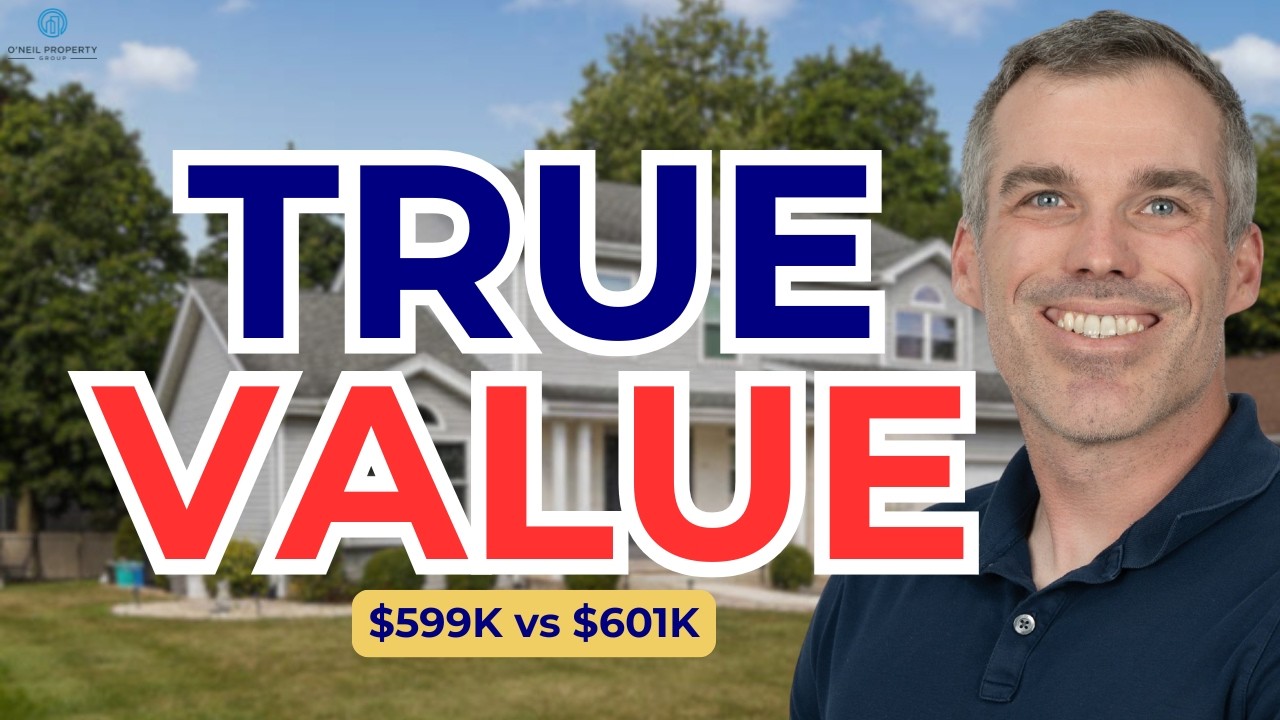
So say you list at 601. Every buyer whose search tops out at 600 never sees your house. Not because they wouldn’t pay 601. They probably would. They just don’t know you exist.
Now list at 599. You show up for every buyer capped at 600, plus everyone searching above that. Same house. A lot more people looking at it. A small difference in list price can make a big difference in how many buyers ever see your listing.
Why Your Opening Weekend Matters So Much
Your opening weekend is the first time all those buyers get alerted to your home. If they look and pass, your listing goes into the abyss. They don’t see it again unless the price drops or the listing pops back up somehow.
Once you get past those first two weeks, the only people seeing your house for the first time are brand new buyers who just started looking. Everyone else already made up their mind. That’s why I care so much about the first weekend. You don’t get a second one.
The Naperville Floor Plan Trap
Naperville has a wrinkle that trips up a lot of sellers, and I know it from the inside. I grew up here. A lot of neighborhoods were built in waves, with the same handful of floor plans repeated over and over. I’ll walk into a house and think, this looks like a friend’s house I used to hang out at as a kid.
It’s even funnier now, because I show houses in my own neighborhood. I’ll walk in and think, oh, this is my house. Except the kitchen’s over here. There’s no wall there. This bathroom’s bigger than mine. Same builder. Same model. Different house.
That’s the trap. Sellers see the same floor plan down the street, see what it sold for, and assume that’s their number. But those homes were only identical the day they were built. Since then, every owner made their own decisions about updates, layout changes, and upkeep.
So when you bring me the house down the street, great. I’ll put it right next to yours and compare them: what’s the same, what’s different, and what a buyer is going to notice walking through both. That’s how I get to the range.
How I Land the Number
Once I have the range, I usually recommend setting the price a little below where I think the home will sell, depending on your goals and timeline. My marketing goal is simple: get the most people walking through your house and create a buzz. I want buyers to look at the listing and think, wait, is this thing on sale? That’s a good value.
More foot traffic means more chances at multiple offers. And once you have multiple offers, you’re in charge. You dictate the terms. You build the package you want, including price, closing date, and the other details that matter to you.
That’s also when the negotiating gets interesting. Buyers who swore they gave their highest and best often find another five or ten thousand once they realize they might lose the house. Some start waiving inspections and other contingencies. That kind of competition only happens when enough buyers show up at the same time.
What Marketing Can Do, and What It Can’t
A bidding war is fun. It’s exciting. You know what’s a terrible feeling? When your house sits, and everyone starts pointing fingers.
Here’s the honest truth. People can’t come up with an extra twenty thousand if they don’t have it. I’ll market your house like crazy with ads, a video tour on YouTube, and an open house. But if buyers can’t afford your house at the price it’s listed, you can’t will it past economics. Supply and demand wins. Good marketing gets your home seen. The right price gets it sold.
The Hidden Risk Most Sellers Don’t See Coming
The biggest risk in pricing isn’t listing a little low. It’s listing high, wasting the opening weekend, and then chasing the market down with price cuts while buyers watch.
I lost a Naperville listing because of this. A homeowner told me he wanted to sell fast. Then he told me his price. It was about eighty-five thousand over where I would have listed it, and it would have been the highest sale in the neighborhood by around fifty thousand. I showed him the comps and told him that if he wanted fast, we should list a little under the market and let the buyers push it up. But he had a number in his head, and I understand that. We all want that number.
He listed with someone else at his price. It sat for three months. Several price cuts. Then it came off the market.
I’m not sharing that because I was right. I’m sharing it because I lost that listing by telling the truth, and I’d do it again. A price that feels good for a weekend and sits for three months isn’t a strategy. It’s an expensive way to learn what the market already knew.
Did We Leave Money on the Table?
This is the question sellers ask when a well priced home sells fast. In an open, properly marketed sale, the answer is no. If someone would have paid more, they would have bid more. The market’s number is the number. The only real version of money left on the table is a home that wasn’t marketed well and never got seen by enough buyers, which is a good reason to be careful about the agent you choose.
We’re on the Same Team
Some sellers worry that agents push low prices just to get a quick sale. I want you to get the best price, because honestly, I make the most money that way too. But I also want you so happy with how it went that you tell everyone you know, and that turns into more business for me. We all win when your home is priced right.
Get the Full Picture Before You Pick a Number
Pricing is one piece of a bigger plan that includes prep, timing, and what happens after you accept an offer. If you want to think it through before you talk to anybody, download the free Naperville Seller’s Guide. It’s email only, and nobody is going to ring your phone off the hook.
Frequently Asked Questions
How do you decide what to list a Naperville home for?
I start with recent comparable sales, compare them to the condition of your home, and give you a realistic range. Then we set the list price based on your goals and how quickly you want to move, often slightly below where I expect it to sell.
Why would I list my home below what it’s worth?
Listing slightly under the expected sale price brings more buyers through the door on the opening weekend. More buyers means a better chance at multiple offers, and competition is what pushes the final price up.
Is Zillow accurate for Naperville home values?
An online estimate is a sight-unseen guess. It can’t see your condition, updates, or layout changes, which is exactly what buyers react to when they walk through
What happens if my house sits on the market?
Buyers who already saw it usually don’t come back unless the price drops, and a price drop can invite low offers. Meanwhile you keep paying the mortgage, taxes, insurance, and utilities.
Does a home with the same floor plan down the street set my price?
It’s a useful comparison, not your number. Homes built the same can be very different today after years of different owners making different decisions.
Naperville Seller Resources
- Options For Selling a House in Naperville
- Naperville Real Estate Blog
- Sell Your Naperville House Fast
- Get Your Naperville Seller’s Guide
- Check Your Naperville Home Value
Most Recent Posts
- How I Actually Decide What Your Naperville Home Should List For
- What You Actually Walk Away With When You Sell Your Naperville Home
- What Your First Meeting With a Listing Agent Actually Looks Like in Aurora
- Selling a House During a Divorce in Illinois: What You Need to Know First
- Selling a Rental in Illinois: Should You Cash Out or Keep It?
Sean Gimpert | O'Neil Property Group | 630-315-0723 | sean@oneilpropertygroup.com
Get the Free Naperville Seller Guide
Where should I send the guide?