

For many long-time homeowners, the idea of downsizing begins quietly.
It often starts with simple realizations — certain rooms are no longer used regularly, maintenance tasks feel more demanding than they once did, or there is growing curiosity about simplifying monthly expenses and long-term responsibilities.
At first, these thoughts can seem purely practical. A smaller home may appear easier to manage. The concept of freeing up time, energy, and financial resources can feel both appealing and logical.
However, as the possibility becomes more real, many Naperville sellers discover that downsizing is rarely just about square footage or budgets. It represents a meaningful life transition — one that can influence daily routines, identity, comfort levels, and long-term satisfaction in ways that are not always obvious at the beginning.
Understanding these deeper trade-offs early in the decision process can help homeowners move forward with clarity instead of uncertainty. Thoughtful planning often leads to decisions that feel both financially sensible and emotionally sustainable.
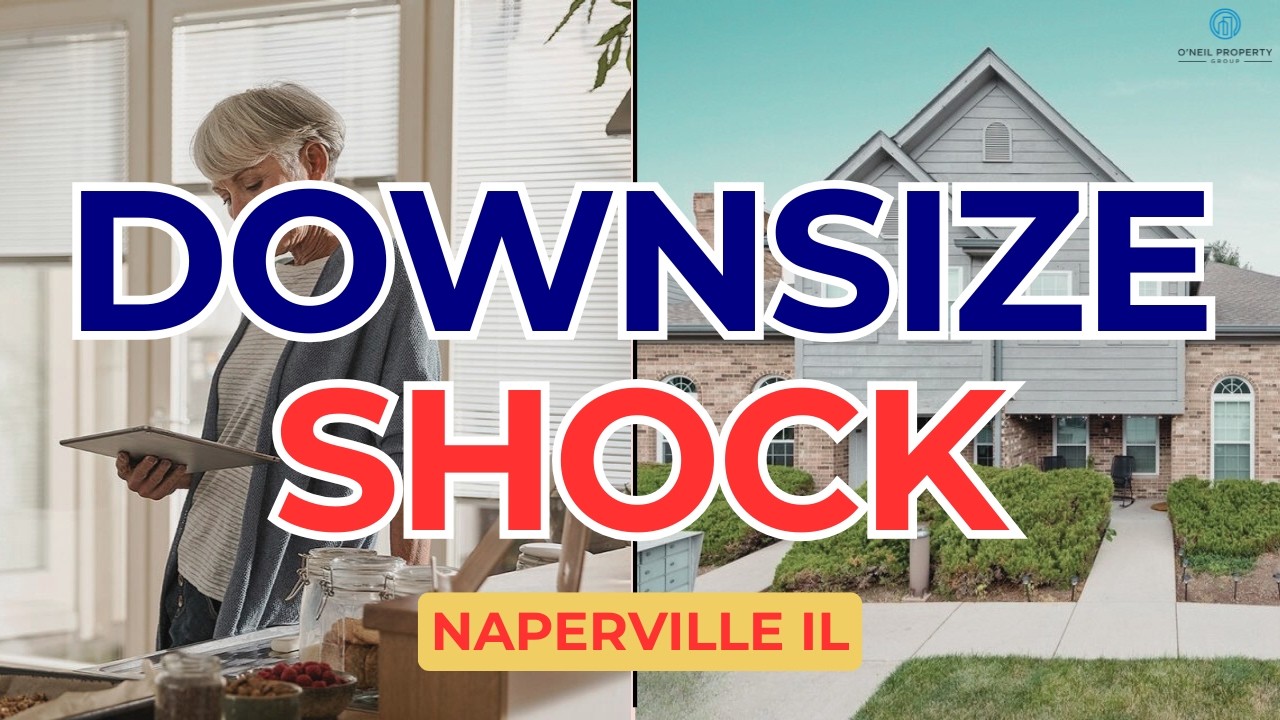
The Emotional Identity Shift of Leaving a Long-Term Home
Homes that have been lived in for many years — sometimes decades — tend to become deeply intertwined with personal identity. They are more than structures or financial assets. They hold memories, routines, and familiar rhythms that shape everyday life.
There may be subtle details that only long-time residents truly notice.
Morning sunlight entering the kitchen at a specific angle.
Knowing which rooms feel most comfortable during different seasons.
Recognizing neighbors during evening walks or hearing familiar neighborhood sounds at certain times of day.
When downsizing becomes a serious consideration, homeowners often experience a gradual identity transition. This shift rarely feels dramatic or immediate. Instead, it unfolds slowly as people begin imagining new living patterns and redefining what “home” might mean in the next stage of life.
For some individuals, this process feels freeing. It signals an opportunity to focus more intentionally on experiences rather than physical space. For others, it introduces reflection and a sense of nostalgia that requires time to process.
Acknowledging this emotional dimension is not a sign of hesitation or indecision. It is a natural part of thoughtful decision-making. Recognizing these feelings early helps ensure that choices are made proactively rather than reactively.
Financial Simplification and Lifestyle Adjustment
Financial simplification is one of the most commonly cited motivations for downsizing. The possibility of reduced maintenance costs, lower utility expenses, and fewer ongoing home responsibilities can feel reassuring — especially for homeowners looking ahead to retirement or lifestyle changes.
A smaller property may provide greater predictability in monthly budgeting.
It can also create flexibility to pursue travel, hobbies, or new personal priorities that were previously constrained by homeownership demands.
However, financial simplification sometimes introduces lifestyle adjustments that are not immediately apparent.
Reduced living space can influence how social gatherings are hosted.
Storage limitations may require rethinking long-held possessions or collections.
Privacy expectations and household routines can shift in subtle but meaningful ways.
In some cases, homeowners discover that what initially felt like a purely financial decision gradually becomes a broader lifestyle recalibration. These adjustments are not necessarily negative — many individuals find them energizing and refreshing. Yet they do require awareness and preparation.
Balancing financial advantages with realistic lifestyle expectations is key to making a downsizing decision that remains satisfying over time rather than feeling like a short-term solution.
Maintaining Social Continuity After a Move
Another important yet often underestimated factor involves social connections and community ties. Long-term Naperville residents frequently develop meaningful relationships with neighbors, local organizations, service providers, and activity groups.
These connections form part of everyday life. They may include casual conversations during neighborhood walks, participation in community events, or simply the comfort of familiar surroundings.
When contemplating downsizing, homeowners naturally begin to ask practical questions:
Will my daily routines still feel accessible?
Will visiting family members remain convenient?
Will I be able to maintain the same level of community involvement?
Thoughtful planning can help preserve valued relationships while still allowing for lifestyle evolution. Some sellers prioritize remaining within the broader Naperville area to maintain continuity. Others intentionally explore environments that support new social experiences or different pace-of-life preferences.
There is no universally correct approach. The key is recognizing that social patterns play a significant role in long-term happiness and comfort. A well-considered move can support both existing relationships and new opportunities.
Short-Term Excitement vs Long-Term Fulfillment
Downsizing decisions often bring a sense of excitement. Imagining a simpler living environment can feel motivating and refreshing. The idea of reduced responsibilities may create a strong emotional pull toward change.
However, long-term contentment typically depends on how well the new living situation aligns with future routines rather than only current desires.
Some homeowners later reflect on moments of uncertainty not because downsizing itself was the wrong choice, but because certain trade-offs were not fully explored beforehand. In many cases, the issue is not the decision — it is the timing or the clarity available when the decision was made.
Taking a “future self” perspective can provide valuable insight. Considering how daily life might feel several years after a move helps ensure that the decision supports evolving priorities instead of only addressing immediate frustrations.
Gradual transition strategies can make this process smoother and more confident. For example:
• Simplifying and decluttering the current home before making any major decisions
• Experimenting with new lifestyle patterns such as extended travel or reduced household commitments
• Exploring multiple housing options over time rather than rushing toward a single outcome
These approaches allow homeowners to build confidence step by step, reducing pressure and creating a more thoughtful path forward.
Hidden Frictions That Can Influence Downsizing Satisfaction
While downsizing can offer meaningful advantages, there are also less visible challenges that deserve attention. These do not necessarily prevent a successful transition, but they can influence how comfortable the adjustment feels.
For instance, some homeowners underestimate how daily routines may change in a smaller or different type of property. Storage limitations, parking logistics, or proximity to services can subtly reshape everyday convenience.
Additionally, timing decisions in relation to market conditions can impact financial outcomes. Selling too quickly without understanding current home value positioning may reduce long-term flexibility. Waiting too long without a clear plan can create unnecessary stress if future circumstances change unexpectedly.
Recognizing these potential friction points early allows sellers to design a downsizing strategy that feels controlled rather than reactive. Preparation often transforms uncertainty into confidence.
Creating a Thoughtful Downsizing Strategy in Naperville
Ultimately, downsizing is less about leaving something behind and more about intentionally designing the next chapter of life. When approached with balanced awareness — acknowledging both benefits and adjustments — the transition often becomes more empowering than disruptive.
If downsizing is even a distant possibility, one of the most practical first steps is simply gaining clarity about your home’s current market position. Understanding potential value provides a foundation for evaluating timelines, options, and lifestyle scenarios without pressure.
👉 Check your free Naperville home value here:
https://gimpertrealty.com/go/naperville-home-value/
Early clarity allows homeowners to explore decisions calmly, align timing with personal goals, and move forward with greater confidence about what the next stage of homeownership could look like.
FAQ
Is downsizing always the right decision for long-time homeowners?
Not necessarily. The best choice depends on financial comfort, lifestyle preferences, and long-term personal priorities. Exploring options early helps clarify what path feels most appropriate.
How far in advance should I start planning a downsizing move?
Many Naperville homeowners begin considering possibilities several years before making a change. Early planning can reduce pressure and provide flexibility.
Can downsizing improve overall quality of life?
For some individuals, yes. When the move aligns with desired routines, reduced responsibilities, and future goals, it can create greater freedom and peace of mind.
What is the most commonly overlooked downsizing factor?
Changes in daily rhythm, convenience patterns, and social connections often influence long-term satisfaction more than homeowners initially expect.
Other Naperville Resources
- Sell Your House Fast in Naperville
- Your Naperville Home Selling Options
- Naperville Real Estate Blog and Market Updates
- Naperville Seller Guide
- Get Your Free Naperville Home Valuation
Most Recent Posts
- Naperville Sellers: What Happens If Your Home Doesn’t Sell Quickly
- Oswego Move-Up Sellers: The Biggest Timing Risk Nobody Talks About
- Naperville Home Selling Timeline: From First Thoughts to Closing Day
- Downsizers Leaving Naperville: The Lifestyle Trade-Off No One Explains
- How to Prepare Your Aurora Home for Sale in the Next 60 Days
Tell Sean About Your Home. He Reviews Every Submission Personally.
Enter your address below and I’ll help you understand what your home may be worth and what selling options make sense for your situation — whether that’s selling quickly, listing traditionally, or simply planning ahead.